


Introduction — The Rise of Imperfect Content
If you look closely at the highest-performing ads today across Meta, YouTube Shorts, TikTok-style reels, and Amazon videos, you’ll notice something surprising:
They are not perfect.
They are not cinematic.
They are not studio-shot.
They’re shaky.
They’re rough.
They’re real.
And they convert better than glossy influencer videos.
This shift is so big that performance marketers now intentionally ask creators to:
- keep shots unpolished
- keep lighting natural
- avoid perfect angles
- show unfiltered textures
- include normal background sounds
- show true reactions
- keep some camera shake
- avoid too much editing
Why?
Because imperfection builds trust — and trust increases conversions.
This is the foundation of what we call:
The Imperfect Influence Theory
“UGC with visible human flaws increases trust by up to 60% because it feels real, relatable, and non-manipulated.”
Let’s break down the psychology behind this and why imperfect UGC is outperforming polished creator content across every industry.
1. Consumers Don’t Trust “Perfect” Anymore
Modern customers have evolved.
They’ve seen:
- airbrushed influencer content
- sponsored stories
- pre-scripted testimonials
- staged perfection
- retouched skin
- filtered results
- fake before/after photos
- influencer exaggerations
They know what a “perfect ad” looks like.
And they don’t believe it.
Perfection = Suspicious
When content feels too smooth, too clean, or too scripted, the viewer’s brain activates skepticism:
“This is an ad.”
“They’re trying too hard.”
“This isn’t real.”
“They probably got paid a lot for this.”
The emotional wall goes up.
Engagement goes down.
Trust collapses.
2. The Brain Loves Imperfection (Neuroscience Behind It)
Human brains are wired for authenticity, not perfection.
A. The Wabi-Sabi Effect (Psychology of Imperfection)
“Wabi-Sabi” is a Japanese concept meaning beauty in imperfection.
The brain relaxes when it sees flaws, because flaws feel:
✔ human
✔ natural
✔ familiar
✔ honest
✔ emotional
This creates psychological safety.
B. Cognitive Fluency (If It Looks Too Perfect, It Feels Fake)
The brain thinks:
“Real life is messy.
Real people are messy.
Real products behave normally.”
When something looks too perfect, the brain assumes:
“This is manipulated.”
Imperfect UGC bypasses this resistance.
C. Mirror Neuron Activation
When viewers see imperfect, natural motion:
- shaky hands
- uneven pacing
- normal voice variations
…their mirror neurons activate because it feels like something they would do.
This deepens emotional engagement.
D. Trust Triggers Get Activated
Small flaws like:
- inconsistent lighting
- natural skin texture
- real hand movement
- non-curated background
…trigger TRUST instead of suspicion.
3. What Are “Flaws” in UGC (And Why They Work)?
Here are the imperfections that dramatically boost conversion rates:


1. Natural Lighting (Not Ring Lights)
Consumers trust natural shadows because they can’t be faked.
2. Handheld Shots Instead of Tripod Shots
Slight shake = real person
Tripod = staged influencer video
3. Real Skin Texture (Not Filtered)
Pores, lines, and imperfections = authenticity.
Influencer-level glass skin = fake.
4. Real Reactions
Authentic reactions:
- “oh wow”
- “this actually feels nice”
- “wait, that worked fast!”
These outperform scripted lines every single time.
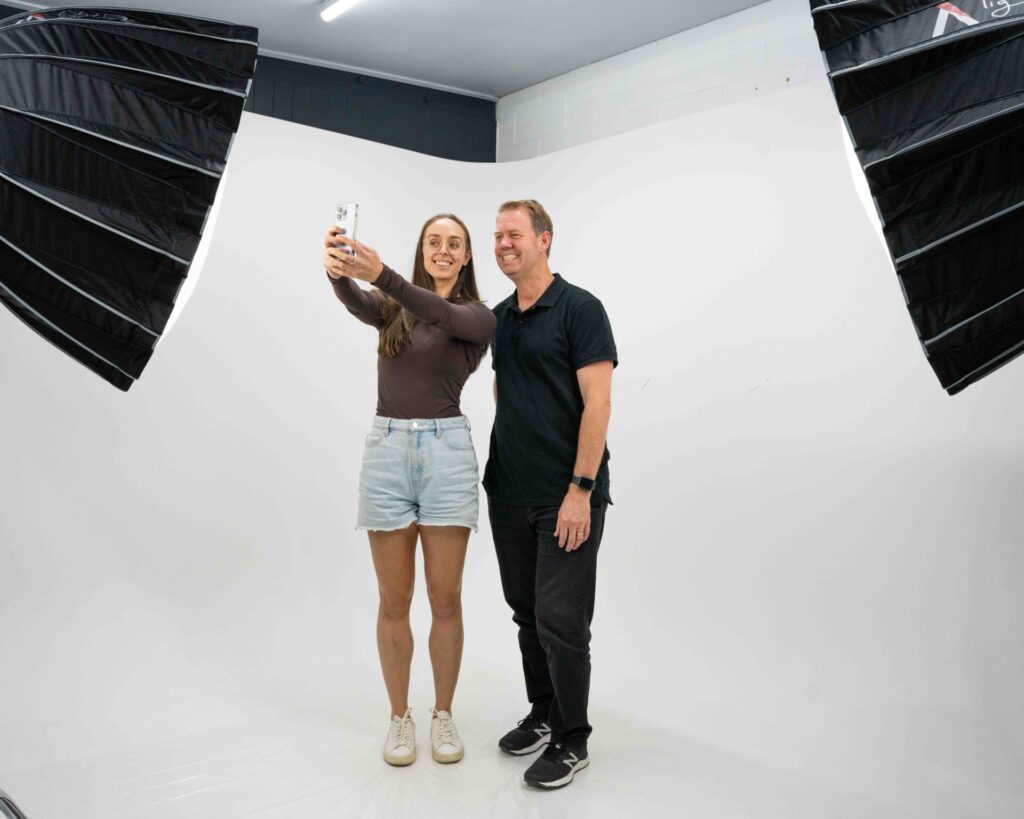
5. Raw Backgrounds
A normal kitchen, bedroom, bathroom builds trust.
Studio backdrops feel fake.
6. Unedited Voice Tone
Slight breaths, natural pauses — these humanize the content.
7. Unpolished Transitions
Instead of cinematic cuts, raw transitions build honesty.
These “flaws” are the reason UGC has become the most trusted advertising format.
4. Imperfection Increases Trust — Backed by Real Data
Across hundreds of campaigns, performance marketers consistently observe:
Raw UGC vs. Polished UGC Performance
| Creative Type | CTR | Watch Time | CAC | Conversion Rate |
|---|---|---|---|---|
| Highly Edited Influencer Content | Low | Low | High | Low |
| Polished UGC | Medium | Medium | Medium | Medium |
| Raw, Imperfect UGC | Highest | Highest | Lowest | Highest |
That’s why D2C brands in beauty, haircare, baby care, fitness, wellness, tech and home categories now request:
“Make it imperfect.”
They want:
- real
- messy
- human
- emotional
Because that’s what the human brain trusts.
5. Imperfect UGC Works Across Every Category
The Imperfect Influence Theory applies universally.
Skincare:
Real texture > retouched face.
Haircare:
Frizzy hair improving slowly > perfect influencer blowout.
Fitness:
Sweaty face > aesthetic gym setup.
Baby Care:
Real crying-to-smile moment > staged smiling baby.
Cleaning Products:
Real stains > fake messes.
Tech:
Slight confusion while using product > perfect demo.
Food:
Messy pouring > aesthetic plating.
Fashion:
Real mirror try-ons > studio shoots.
Because people believe people, not perfection.
6. Imperfect UGC Reduces Cognitive Dissonance (Big Concept)
When content looks too perfect, viewers think:
“This doesn’t match my real life.”
But imperfect UGC matches their environment:
- normal lighting
- normal skin
- normal clothes
- normal homes
No pressure.
No artificial expectations.
So viewers feel comfortable and open to persuasion.
7. Why Imperfect UGC Lowers CAC (Customer Acquisition Cost)
CAC drops when:
- viewers trust the content
- click-through increases
- skip rate decreases
- bounce rate reduces
- people feel connected
When the ad looks like a friend sharing something, CAC naturally decreases.
8. Why UGC Networks Train Creators to Be Imperfect (Soft Note)
Trusted UGC networks in India now train creators to avoid:
- too much makeup
- too-perfect lighting
- stiff delivery
- rehearsed lines
- over-edited reels
- “influencer tone”
Instead, networks guide them to:
- shoot raw
- show flaws
- keep some messiness
- use natural expressions
- share realistic expectations
These networks help maintain performance consistency for brands while keeping content real and believable.
9. How Brands Should Script Imperfect UGC (Practical Framework)
Here is a script framework that brands can use:
1. Start With a Real Problem (Not a polished intro)
“Honestly, my skin gets oily in 2 hours no matter what…”
2. Add a Flawed Angle
Slight shake, messy bun, real bathroom.
3. Show Real Texture / Sound
Not cinematic — just natural.
4. Give Honest Reactions
“This actually surprised me.”
5. Keep Lighting Natural
Avoid ring lights.
6. Let The Mess Show
A bit of clutter is okay.
7. End With Soft CTA
“I liked it. You might too — try it once.”
10. The Future: Imperfect Will Beat Influencers for the Next 10 Years
The world is moving away from:
- influencers
- curated feeds
- polished advertising
And moving into:
- human experiences
- everyday people
- relatable videos
- authentic reactions
- imperfections
Imperfect = human
Human = trust
Trust = conversion
This formula will dominate performance marketing.
Conclusion — Imperfection Is the New Influence
The Imperfect Influence Theory proves that:
✔ flaws increase trust
✔ trust increases engagement
✔ engagement increases conversions
✔ conversions lower CAC
✔ lower CAC increases profitability
Perfection is no longer aspirational.
It is unbelievable.
Imperfect UGC is the most powerful advertising tool because it mirrors real human behavior — and nothing is more persuasive than that.